
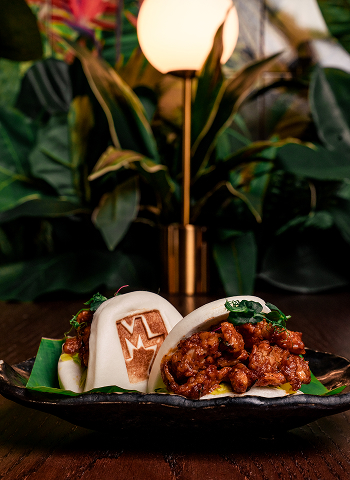
That perfect, hard-to-pin-down feeling you get from a great restaurant isn’t magic. It’s architecture. Before you even taste the food, the placement of a chair or the distance between tables begins a silent conversation with you. This is the unseen power of restaurant seating, an invisible force that dictates the entire mood of your meal.
The energy curve:
An energy at the best restaurant Marina Dubai has a rhythm. High-top tables and bar seating are not just stylistic choices; they are engines for turnover. These seats are typically occupied for shorter durations, allowing for a constant, lively buzz. This controlled flow helps manage reservations and walk-ins, ensuring the space always feels vibrant and active without becoming overcrowded.
The welcome:
The initial encounter sets the tone. The placement of the host stand is the first act of control. It is positioned to offer a clear view of the dining room, allowing staff to assess availability. More importantly, it creates a natural pause, a moment for guests to transition from the outside world into the restaurant’s curated environment, establishing order from the start.
The prime table placement:
Not all tables are created equal. The “best” seats often by windows or offering a full view of the room are strategic assets. These prime locations are frequently reserved for special guests or used to create a sense of aspiration. Placing a few desirable tables in clear sight makes the entire space feel attractive and active, encouraging other diners to seek a similar spot on their next visit.
The psychology of the banquette:
Why do so many people prefer booth seating? It offers a sense of security and intimacy. Sitting against a wall provides a commanding view of the room while creating a private, cozy nook. This arrangement makes guests feel comfortable and settled, often leading to longer stays and a greater sense of satisfaction, which is ideal for establishments hoping guests will relax and order additional courses.
The dance of the servers:
Seating charts are roadmaps for service staff. A well-designed floor plan ensures servers can move efficiently between tables, the kitchen, and service stations. Wide aisles prevent bottlenecks, while strategic table spacing allows staff to attend to guests without intruding on conversations. This invisible choreography is fundamental to providing smooth, attentive service.