
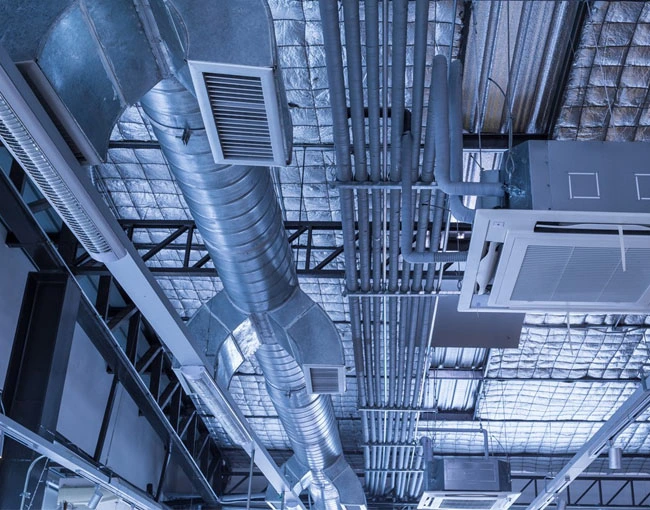
Energy waste in buildings has turned into a silent financial drain and an environmental concern that no one can afford to ignore. Mechanical, electrical, and plumbing systems operate around the clock, consuming vast amounts of resources while maintaining comfort and functionality.
New approaches now allow these key systems to perform better with significantly less energy input. The transformation taking place across the construction industry offers practical solutions for reducing operational costs. This is where MEP companies in Dubai are directing their innovative efforts to reshape building performance.
Intelligent system integration:
Building systems no longer operate as isolated components that work against each other. Mechanical cooling, electrical lighting, and plumbing water heating now communicate through centralized platforms that coordinate their activities. This integration eliminates duplicated efforts and conflicting operations that waste energy. When cooling systems know when lighting generates heat, they adjust accordingly. When water heating anticipates usage patterns, it prepares resources efficiently. These coordinated efforts produce measurable reductions in overall energy consumption without sacrificing occupant comfort.
Advanced HVAC optimization:
Heating, ventilation, and air conditioning systems historically consumed the largest share of building energy. Modern optimization techniques have changed this reality completely. Variable speed drives adjust motor speeds to match actual demand rather than running at full capacity constantly. Demand-controlled ventilation brings fresh air only when occupancy sensors detect people inside spaces. Predictive algorithms analyze weather data and internal heat loads to determine precise cooling and heating needs. These approaches cut HVAC energy use by substantial margins while maintaining excellent indoor air quality.
LED lighting and daylight harvesting:
Lighting technology has advanced beyond simple bulb replacements to create intelligent illumination networks. LED fixtures provide high-quality light with a fraction of previous energy requirements. Motion sensors ensure lights activate only when spaces contain occupants. Daylight harvesting systems dim artificial lighting when natural sunlight enters through windows, maintaining consistent illumination levels. These strategies produce immediate energy savings that accumulate into significant financial benefits over time.
Water conservation strategies:
Plumbing systems present overlooked opportunities for energy reduction through water conservation. Low-flow fixtures decrease hot water demand, which directly reduces water heating energy requirements. Heat recovery systems capture warmth from drain water and transfer it to incoming cold water. Recirculation pumps operate on schedules that align with peak usage periods rather than running continuously. These water-focused approaches create energy savings that complement electrical and mechanical efficiency measures.